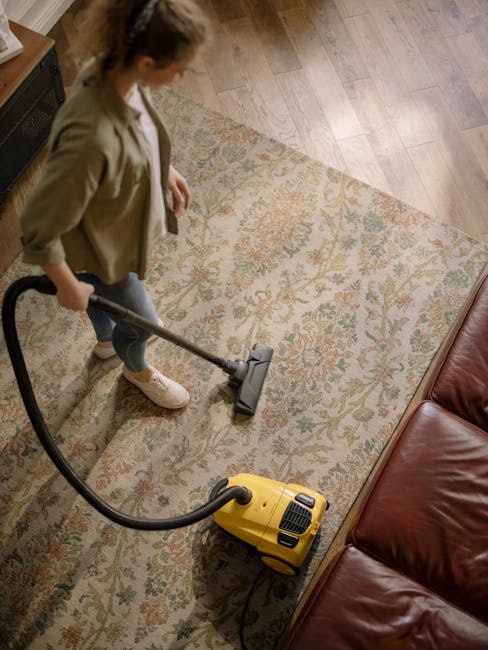
Sutton High Street carpet cleaning experts SM1: a practical guide for cleaner, fresher carpets
If you live, work, or run a business near Sutton High Street, you already know carpets take a beating. Mud from a wet commute. Coffee near the desk. Paw prints after a walk. General day-to-day traffic, and suddenly a room that used to feel neat starts looking tired. This guide to Sutton High Street carpet cleaning experts SM1 explains what expert cleaning actually involves, why it matters in a busy local setting, and how to choose the right service without overcomplicating it.
Truth be told, most carpet problems are not dramatic at first. They creep up. A dull patch here, a lingering smell there, a stain you meant to deal with last week, then last month. The good news? With the right approach, carpets can often be brought back to a much better standard than people expect. And yes, that can make a surprising difference to how your home or premises feels underfoot.
Whether you are trying to refresh a family home, keep rental flooring presentable, or maintain a professional appearance for clients, the basics are the same: know what your carpet needs, understand the method, and work with people who take care as well as efficiency.
Contents
- Why Sutton High Street carpet cleaning experts SM1 matters
- How Sutton High Street carpet cleaning experts SM1 works
- Key benefits and practical advantages
- Who this is for and when it makes sense
- Step-by-step guidance
- Expert tips for better results
- Common mistakes to avoid
- Tools, resources and recommendations
- Law, compliance, standards, or best practice
- Options, methods, or comparison table
- Case study or real-world example
- Practical checklist
- Conclusion
- Frequently asked questions
Why Sutton High Street carpet cleaning experts SM1 matters
Sutton High Street sits in a genuinely busy part of everyday life. People come and go constantly, and carpets in nearby homes and commercial spaces tend to absorb that pace. Shoes bring in grit. Weather leaves moisture in fibres. Dust settles even in well-kept rooms. Over time, all of that can flatten the pile and make the whole space feel a bit less cared for.
That is why local carpet cleaning matters more than people sometimes think. It is not just about appearances. It is also about hygiene, odour control, and keeping flooring in a condition that lasts. In homes, that often means helping families stay on top of spills, pet accidents, and allergy concerns. In workplaces, it can support a better first impression and reduce the impression of "lived-in" wear that builds up quickly near entrances and communal areas.
There is also a practical side. Carpets are not cheap to replace. A sensible cleaning schedule can delay replacement and protect the material you already own. To be fair, nobody gets excited about carpet maintenance. But once a hallway or reception area looks cleaner and smells fresher, you do notice. Everyone does.
If you are comparing broader cleaning options, the core carpet cleaning service is usually the starting point, while more specific needs may call for stain removal, pet stain and odour removal, or a more intensive steam carpet cleaning approach.
Expert summary: Good carpet cleaning is not just a visual refresh. Done properly, it supports cleanliness, extends carpet life, and helps a property feel more cared for without the cost of replacement.
How Sutton High Street carpet cleaning experts SM1 works
Professional carpet cleaning is usually more structured than people expect. It starts with inspection, not scrubbing. A cleaner should look at fibre type, pile condition, visible staining, wear patterns, and any areas that might react badly to moisture or heat. That first judgement matters because wool, synthetic blends, and delicate woven carpets all behave differently.
After inspection, the carpet is normally prepared. That may include vacuuming, pre-treating spots, and breaking down oils or embedded dirt. Then comes the main cleaning stage. Depending on the carpet and the level of soiling, that might involve hot water extraction, low-moisture cleaning, or steam-based treatment. The goal is simple enough: lift grime from the fibres without over-wetting or damaging the backing.
Extraction and drying matter just as much as the cleaning itself. If a carpet is left too damp, you can end up with a musty smell or slow drying times that are inconvenient at best and risky at worst. A proper finish should leave the carpet clean, fresh, and ready to dry in a reasonable timeframe.
If the property has other fabric items, it can make sense to coordinate services. For example, a lounge refresh might combine carpet work with sofa cleaning or upholstery cleaning, while a bedroom clean might include mattress cleaning too. That is often more efficient than tackling each thing separately.
Key benefits and practical advantages
The most obvious benefit is appearance. A freshly cleaned carpet brightens a room in a way paint touch-ups or soft furnishings often cannot. But the practical advantages go further than that.
- Better day-to-day cleanliness: Embedded dust, grit, and residue are removed more effectively than by vacuuming alone.
- Reduced odours: This is particularly noticeable in homes with pets, smoking residue, or heavy foot traffic.
- Longer carpet life: Dirt acts a bit like sandpaper in the fibres, so removing it regularly can reduce wear.
- Improved presentation: Useful for landlords, offices, retail units, and any customer-facing space.
- More comfortable living: Clean carpets just feel better underfoot. It sounds simple because it is.
There is a quieter benefit too: peace of mind. Once a carpet has been professionally assessed and cleaned, you stop wondering whether that patch is permanent or whether the odour is going to hang around forever. Sometimes the relief is the main thing.
For commercial sites, carpet cleaning can also fit into a wider building upkeep plan. If you manage shared areas, reception spaces, or meeting rooms, you may want to look at commercial carpet cleaning alongside your regular maintenance schedule.
Who this is for and when it makes sense
This kind of service is not just for "very dirty carpets". It is for anyone who wants flooring kept in decent condition without guesswork. Families with children often need it after spills and everyday mess. Pet owners tend to need it for both visible marks and lingering smells. Tenants and landlords may need it before a move-out inspection or new tenancy. Business owners may need it before client visits, after refurbishment, or simply as part of keeping the place presentable.
Here are a few realistic situations where calling in Sutton High Street carpet cleaning experts SM1 makes sense:
- A hallway carpet near the front door has gone grey with grit and traffic marks.
- A rental flat needs a sensible refresh between occupants.
- A pet accident has left an odour that keeps coming back after DIY cleaning.
- A commercial waiting area looks clean at a glance but feels flat and dusty.
- A cream rug has taken the brunt of family life and needs specialist attention.
Sometimes the trigger is not a big disaster. It is just that moment when you look around on a grey Tuesday morning and think, "Right, this needs sorting." Very normal. Very human.
If your needs are more specific than carpet cleaning alone, specialist options like rug cleaning, curtain cleaning, and pet stain odour removal can help target the exact problem instead of using a one-size-fits-all approach.
Step-by-step guidance
Here is a simple way to think through the process, whether you are booking a service or checking whether a cleaner knows their trade.
- Identify the carpet type. Wool, synthetic, and mixed-fibre carpets all respond differently to moisture and cleaning products.
- Check the problem areas. Note stains, odours, heavy traffic lanes, and any areas that have been treated before.
- Ask about the method. A good cleaner should explain what technique they will use and why it suits the carpet.
- Prepare the room. Move small items, clear breakables, and make sure access is easy. Small effort, big difference.
- Vacuum properly first. Loose dirt should be removed before deeper cleaning starts.
- Pre-treat visible stains. Different stains need different treatment. A coffee mark is not the same as a greasy footprint.
- Clean in sections. This helps ensure even coverage and avoids patchy results.
- Extract moisture thoroughly. A carpet should not be left feeling sodden.
- Allow the right drying time. Keep airflow moving and avoid putting heavy furniture back too soon.
- Inspect once dry. Check the results and address any stubborn marks sooner rather than later.
If the cleaner offers other fabric care in the same visit, it can be worth bundling the job. A combined clean for carpets and sofa cleaning or upholstery cleaning often saves time and makes the whole room feel more finished.
Expert tips for better results
A few small habits make a big difference. Honestly, that is the boring bit that pays off.
- Treat spills early. Fresh stains are usually easier to remove than old ones that have set into the pile.
- Blot, don't rub. Rubbing can push the stain deeper and damage fibres.
- Use the right product for the right mark. Protein stains, food stains, and oily residue do not behave the same way.
- Test a discreet patch first. Especially on wool or lightly dyed carpets.
- Keep shoes off high-traffic indoor areas where possible. Simple, but effective.
- Vacuum slowly. A quick zip over the room misses a lot more than people think.
- Ask about drying guidance. A decent professional should tell you how long the room should stay undisturbed.
One little thing that often gets overlooked is smell. A carpet can look fine and still hold onto odour. If the room still feels stuffy after cleaning, the issue may be deeper in the fibres or in the underlay. That is where proper inspection and the right treatment matter.
If sustainability matters to you, it is also worth asking about the company's approach to product use, waste reduction, and water efficiency. You can review a provider's general values and operational standards through pages like about us and recycling and sustainability.
Common mistakes to avoid
DIY cleaning can help with light maintenance, but a few mistakes can make matters worse. The most common one is using too much liquid. Carpets do not need to be flooded to be cleaned. Over-wetting can lead to slow drying, backing issues, and odour problems. Not ideal.
Another mistake is using a cleaner without checking whether it suits the fibre. Some household products are far too harsh. They may remove the stain in the centre and leave a faded halo around it, which, awkwardly, can look worse than the original mark.
People also wait too long. An old spill becomes more stubborn with every week that passes. The fibres can hold onto residue, and repeated foot traffic presses it deeper. So if a patch looks bad now, it is usually better to act before it becomes a permanent feature of the room.
Finally, some people choose purely on price. Cheapest is not always best, and in carpet care that can really matter. A low quote is not much comfort if the cleaner uses the wrong method or leaves the room damp. You want value, not just a small number on paper.
Tools, resources and recommendations
You do not need to become a carpet technician to make good decisions. But a few basic tools and checks help.
| Item or resource | Why it helps | What to look for |
|---|---|---|
| Good vacuum cleaner | Removes loose grit before deeper cleaning | Strong suction and suitable attachments |
| Spot treatment products | Handles fresh marks before they set | Appropriate for the carpet fibre |
| Microfibre cloths | Useful for blotting rather than rubbing | Lint-free and clean |
| Airflow or ventilation | Supports faster drying | Open windows where sensible, or use fans |
| Professional service information | Helps you compare providers fairly | Clear explanation of method, pricing, and aftercare |
When you are comparing providers, the most helpful pages are usually the ones that explain how they work and what you can expect. A clear pricing and quotes page can help you judge whether the service is transparent, and a well-written insurance and safety page is a good sign that the business takes customer protection seriously.
Law, compliance, standards, or best practice
For carpet cleaning, the most relevant concern is usually not a single dramatic law but a combination of general best practice, safety, and honest trading. In the UK, customers should expect clear communication about what is included, sensible care with cleaning chemicals, and appropriate handling of property. If a provider is visiting your home or premises, insurance matters too. That is just common sense, really.
For commercial properties, there may also be internal policies to consider, such as building access, health and safety procedures, and any requirements for working around staff or customers. Good cleaners should be comfortable working within those limits without making a fuss. They should also be able to explain any limitations plainly if a carpet is too delicate, too soiled, or likely to need specialist treatment.
It is wise to ask about terms before you book. Not because everything is complicated, but because clarity avoids misunderstandings later. You can usually get a better sense of this from a provider's terms and conditions, privacy policy, and payment and security information.
If you need a complaint route, a proper provider should have one. That is a trust signal, plain and simple. It shows they expect to stand behind their work instead of vanishing when something goes wrong. The same goes for accessible information and a clear service ethos.
Options, methods, or comparison table
Different carpets need different approaches. Below is a practical comparison of the main options you are likely to hear about. Not every job needs the most intensive method, and that is often where people overbuy.
| Method | Best for | Strengths | Watch-outs |
|---|---|---|---|
| Hot water extraction | General deep cleaning and most household carpets | Strong soil removal, widely used, thorough finish | Can need longer drying time if overused |
| Steam-based cleaning | Heavy soiling and fresher-looking results on suitable fibres | Effective on embedded grime, good hygiene feel | Not ideal for every delicate material |
| Low-moisture cleaning | Quick turnaround and lighter maintenance | Faster drying, less disruption | May be less effective on deep staining |
| Targeted stain treatment | Specific marks or odours | Focused and efficient | Works best as part of a wider clean, not always on its own |
If you are unsure which method suits your space, the safest approach is to ask for an inspection first. A cleaner who recommends the same method for every carpet, every time, is probably making life too simple for themselves. Real carpets are messier than that.
Case study or real-world example
Imagine a small office near Sutton High Street. It has a reception area, a short corridor, and a meeting room that sees daily foot traffic. The carpet is not badly damaged, but the entrance zone looks darker than the rest of the flooring, and the meeting room has that faint stale smell that builds up when hot drinks, damp coats, and day-to-day use all mix together.
In a case like that, the first step is not aggressive cleaning. It is assessment. The entrance may need stronger treatment because grit has been ground in, while the meeting room may respond well to targeted odour work and a more moderate clean. If the room also has upholstered chairs, combining the job with upholstery cleaning can make the whole space feel cleaner without much extra disruption.
What usually surprises people is how much difference the edge areas make. Once the skirting lines, door thresholds, and traffic lanes are lifted back to a cleaner tone, the whole room reads better. It is like suddenly noticing the frame around a picture. Small thing, big impact.
For homes, the scenario is similar. A family might assume the carpet has "gone" because of a spill near the stairs, but after proper treatment the area often blends back in more than expected. Not perfect, maybe, but far better than before. And that can be enough to restore the room.
Practical checklist
Use this checklist before you book or when you are preparing for a visit.
- Identify the carpet fibre if you can.
- Note any stains, smells, or problem zones.
- Ask which cleaning method will be used.
- Check whether the provider is insured.
- Ask how long drying is likely to take.
- Clear small items from the room.
- Move fragile objects out of the way.
- Confirm any parking, access, or building entry details.
- Ask about aftercare and what to do if a mark remains.
- Review pricing, terms, and payment details before the appointment.
Quick tip: if you are having more than one fabric surface cleaned, plan them together where possible. It keeps disruption down and usually gives the whole space a more even finish.
Conclusion
Sutton High Street carpet cleaning experts SM1 are valuable because they bring structure, judgement, and proper treatment to a job that is easy to underestimate. A good clean is not about making a carpet look slightly better for a day. It is about restoring comfort, reducing wear, and helping a home or business feel properly looked after.
If you take one thing from this guide, let it be this: the best results come from matching the method to the material, treating stains early, and choosing a provider that communicates clearly. That is what separates a quick tidy-up from a genuinely useful service. And yes, it makes life a bit easier, which never hurts.
Get a free quote today and see how much you can save.
When the carpet finally looks clean again, the room tends to breathe a little easier too. Funny how that works.
Frequently Asked Questions
What do Sutton High Street carpet cleaning experts SM1 actually do?
They inspect your carpet, identify the right cleaning method, treat stains or odours, clean the fibres, and extract moisture so the carpet dries properly. The job is part technical, part practical.
How often should carpets be professionally cleaned?
It depends on foot traffic, pets, children, and the type of property. Busy homes and commercial spaces often benefit from more frequent cleaning than low-use rooms. A cleaner can usually advise based on what they see.
Is steam carpet cleaning safe for all carpets?
Not always. Steam-based methods can be effective, but delicate or moisture-sensitive carpets may need a different approach. A proper inspection should come before the method is chosen.
Can professional carpet cleaning remove old stains?
Sometimes, yes, but not every stain can be fully removed. Age, fibre type, the original spill, and any previous DIY treatment all affect the outcome. The honest answer is that results vary.
How long do carpets take to dry after cleaning?
Drying time depends on the method used, airflow, humidity, and how much soil was removed. Faster-drying methods exist, but it is still sensible to allow the room time before normal use.
What should I do before the cleaner arrives?
Clear small furniture and fragile items, vacuum if asked, and point out any stains or trouble spots. A little preparation helps the visit go more smoothly, and it saves time.
Are carpet cleaning services suitable for rental properties?
Yes. They are often used between tenancies or before inspections. A tidy, clean carpet can make a rental feel better maintained without requiring replacement.
What is the difference between carpet cleaning and stain removal?
Carpet cleaning treats the whole surface, while stain removal focuses on specific marks. In practice, stain treatment usually works best as part of a broader clean rather than on its own.
Do I need to worry about insurance?
Yes, it is sensible to ask. Any professional working in your property should be able to explain their insurance and safety arrangements clearly. That is a normal trust check, not being fussy.
Can carpet cleaning help with pet smells?
Often it can, especially when the odour is in the fibres rather than deeper in the underlay. Persistent smells may need specialist pet stain and odour treatment.
Is it worth combining carpet cleaning with other services?
Often, yes. If your sofa, rug, or curtains also need attention, combining the work can create a more even refresh across the room. It is usually more efficient too.
How do I compare carpet cleaning quotes sensibly?
Look at what is included, the cleaning method, drying expectations, and any mention of aftercare or exclusions. The cheapest quote is not always the best value if it leaves out the important parts.
What if I have a complaint or am unhappy with the result?
A reputable provider should have a complaints procedure and be willing to discuss the issue clearly. Good communication matters before and after the job.
Where can I learn more about the company before booking?
Useful pages usually include the company background, pricing, safety, payment, and service information. That gives you a much better feel for whether they are a good fit for your home or business.