Upholstery Cleaning: A Practical, Results-Driven Approach to Cleaner, Fresher Furniture
Upholstery cleaning is one of the most effective ways to refresh the look, feel, and hygiene of the furniture you use every day. Sofas, armchairs, dining seats, ottomans, and even office seating collect dust, body oils, crumbs, allergens, and odors over time. A professional upholstery cleaning routine helps restore fabrics, protect fibers, and create a healthier indoor environment. Whether you are trying to improve the appearance of your living room or extend the life of a favorite couch, upholstery cleaning offers benefits that go far beyond surface-level appearance.
Many people search for upholstery cleaning only when stains become obvious, but the real value comes from regular care. Routine upholstery cleaning can slow wear, prevent discoloration, and reduce the buildup of debris that damages fabric over time. It is not just about making furniture look good; it is also about maintaining comfort, cleanliness, and the overall quality of your home or workplace.
If you have ever wondered why one piece of furniture looks dull while another remains vibrant, the answer often lies in consistent maintenance. With the right approach, upholstery cleaning can be simple, effective, and surprisingly transformative. Clean upholstery changes the feel of a room instantly, giving furniture a renewed appearance and helping your space feel more inviting.
Why Upholstery Cleaning Matters for Every Home and Business
Upholstery acts like a filter. Every time someone sits down, tiny particles from clothing, skin, dust, and the surrounding environment settle into the fibers. Over time, these particles can create dullness, odors, and buildup that is difficult to remove without proper upholstery cleaning. Even furniture that looks clean may still contain allergens and embedded dirt.
For homes, the importance of upholstery cleaning goes beyond aesthetics. Families with children, pets, or frequent guests often need more frequent attention because furniture is exposed to extra spills, pet hair, and daily wear. In commercial spaces, such as offices, hotels, waiting rooms, and restaurants, upholstery cleaning supports a professional image and helps seating remain presentable for customers and staff.
There is also a health benefit. Clean upholstery can reduce common indoor irritants such as dust mites, pollen, and trapped debris. While upholstery cleaning does not replace deep hygiene practices, it does contribute to a cleaner environment overall. For people with sensitivities, that difference can matter a great deal.
Signs Your Furniture Needs Attention
Not every fabric problem is dramatic. Sometimes the need for upholstery cleaning is subtle. Dull color, a lingering smell, uneven texture, and visible marks are all warning signs. When cushions begin to feel grimy or look flattened even after vacuuming, deeper cleaning may be necessary.
- Visible stains or water marks
- Unpleasant or stale odors
- Dust that returns quickly after cleaning
- Pet hair embedded in the fabric
- Changes in color or texture
- Allergy symptoms that worsen near furniture
Understanding Different Types of Upholstery Materials

Successful upholstery cleaning starts with knowing the material. Different fabrics respond differently to moisture, heat, and cleaning solutions. What works beautifully on one sofa could damage another. That is why identifying the upholstery type is a crucial first step before any cleaning begins.
Cotton, polyester, microfiber, velvet, leather, linen, wool blends, and synthetic fabrics each require a slightly different cleaning strategy. Some can handle water-based methods, while others need low-moisture or solvent-based treatments. A careful upholstery cleaning approach protects the fabric while improving its appearance and longevity.
Manufacturers often include cleaning codes on labels attached to the furniture. These codes are extremely useful because they indicate the safest method for care. Understanding them helps prevent shrinking, fading, streaking, or water damage. Reading the care label before cleaning is one of the smartest things you can do.
Common Upholstery Cleaning Codes
These codes help determine the right cleaning method:
- W - Water-based cleaning products are safe
- S - Use solvent-based cleaning only, no water
- WS - Water-based or solvent-based cleaning may be used
- X - Vacuum only; professional cleaning is recommended
Why Fabric Identification Matters
If you use the wrong method, upholstery cleaning can cause more harm than good. Delicate fibers may shrink, colors may bleed, and leather can dry out or crack. By matching the cleaning approach to the material, you protect the furniture and improve your results.
How Professional Upholstery Cleaning Works

Professional upholstery cleaning usually begins with an inspection. Technicians examine the fabric type, level of soiling, stain history, and overall condition of the piece. This helps them decide which tools and products are most suitable. The goal is not just to clean the surface but to lift embedded dirt while preserving the integrity of the material.
After inspection, the furniture is typically vacuumed to remove loose dust and debris. This step makes the rest of the upholstery cleaning process more effective by reducing surface particles that can interfere with cleaning solutions. In many cases, pre-treatment is then applied to stains or heavily used areas.
Depending on the fabric, the cleaning method may involve hot water extraction, low-moisture cleaning, dry cleaning, foam application, or specialized spot treatment. Each method has different strengths. The best upholstery cleaning service chooses the method based on the fabric, not a one-size-fits-all formula.
Typical Steps in a Professional Service
- Inspection and fabric identification
- Dry vacuuming and loose debris removal
- Pre-treatment of stains and traffic areas
- Application of appropriate cleaning solution
- Agitation or fabric-safe extraction
- Rinsing or residue removal if needed
- Final drying and post-cleaning check
The Value of Expert Handling
Professional upholstery cleaning can reach deeper than standard home methods while reducing the risk of damage. Experienced technicians know how to treat delicate fabrics, persistent stains, and odor issues with care. This expertise can make a significant difference in the final result.
DIY Upholstery Cleaning: What You Can Do at Home
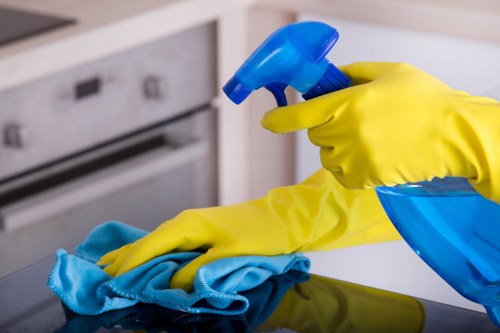
Not every cleaning task requires professional intervention. Some upholstery cleaning maintenance can be handled at home with the right tools and a careful approach. Regular vacuuming, prompt spill response, and light spot cleaning all help preserve the condition of your furniture. The key is to act quickly and avoid overwetting the fabric.
Before applying any product, always test it on a hidden area. Even mild cleaners can affect color or texture, especially on older or more delicate fabrics. Blotting is preferred over rubbing because aggressive scrubbing can push stains deeper into the fibers and damage the weave.
Home upholstery cleaning is most effective when it becomes part of a routine. A few minutes of maintenance each week can reduce buildup and keep furniture fresher for longer. Small habits can protect a big investment, especially when your furniture is used daily.
Simple At-Home Upholstery Cleaning Habits
- Vacuum cushions, seams, and crevices weekly
- Blot spills immediately with a clean cloth
- Use fabric-safe cleaners only after spot testing
- Rotate cushions to distribute wear evenly
- Keep furniture out of direct sunlight when possible
- Use armrest covers or throws in high-traffic areas
When DIY Is Not Enough
If a stain has set, an odor persists, or the upholstery has not been cleaned deeply in years, at-home methods may not be enough. In these cases, professional upholstery cleaning is usually the safest and most effective choice. Heavy contamination can be difficult to remove without specialized equipment.
Common Stains and How Upholstery Cleaning Handles Them

Stains are one of the biggest reasons people seek upholstery cleaning. Coffee, wine, grease, ink, makeup, food spills, and pet accidents each behave differently in fabric. The sooner a stain is treated, the easier it is to remove. Once a stain settles into upholstery fibers, it may require deeper treatment or repeated cleaning.
Professional upholstery cleaning services often use targeted stain removal methods. These can include enzyme-based products for organic stains, solvent cleaners for oil-based marks, and specialized extraction for deep-set discoloration. A careful approach improves the likelihood of removing the stain without spreading it.
Even when a stain cannot be fully eliminated, upholstery cleaning can often reduce its visibility significantly. This is especially helpful for older furniture where a full replacement would be costly. Restoring the overall look is often just as valuable as removing the stain entirely.
Examples of Stains and Treatment Approaches
- Coffee and tea: Often treated with mild detergent and extraction
- Wine: Requires quick blotting and targeted stain removal
- Grease: May need solvent-based treatment
- Pet accidents: Often treated with enzyme cleaners and deodorizing methods
- Ink: Needs specialized spot treatment and caution
Odor Removal and Freshness
Odors can be harder to notice than stains, but they matter just as much. Upholstery cleaning helps remove trapped smells from food, smoke, pets, and everyday use. Deodorizing methods are often part of the process, leaving the furniture cleaner and more pleasant to use.
Benefits of Regular Upholstery Cleaning
Regular upholstery cleaning offers long-term advantages that extend beyond a cleaner appearance. One of the biggest benefits is improved furniture longevity. Dirt and grit act like sandpaper inside the fibers, gradually wearing them down. By removing buildup, upholstery cleaning helps fabrics retain their texture and strength.
Another major benefit is improved indoor air quality. Fabric surfaces can trap airborne particles, and cleaning them reduces the amount of debris circulating in the room. This is especially useful in spaces where people spend a lot of time sitting close to upholstered furniture.
Fresh upholstery also contributes to comfort and mood. A clean sofa or chair simply feels better to use. It supports a tidy environment and creates a more polished impression for guests, clients, or family members. When furniture looks and smells clean, the whole room feels more cared for.
Key Long-Term Advantages
- Extends the life of sofas, chairs, and other furniture
- Helps preserve color and fabric texture
- Reduces allergens and trapped dust
- Improves room appearance instantly
- Can reduce odors caused by daily use
- Supports a cleaner, healthier environment
A Better Investment Over Time
Quality furniture can be expensive to replace. Regular upholstery cleaning protects that investment by keeping materials in better condition. In many cases, routine maintenance delays the need for reupholstering or replacement, saving time and money in the long run.
How Often Should Upholstery Be Cleaned?
The ideal upholstery cleaning schedule depends on usage, fabric type, and household conditions. A lightly used chair in a guest room will not need the same attention as a family sofa in a busy living room. As a general rule, visible maintenance should happen weekly, while deeper upholstery cleaning may be needed every 6 to 12 months.
Homes with pets, children, smokers, or allergy-sensitive occupants may require more frequent service. Commercial environments often need regular upholstery cleaning to maintain a professional appearance and support high hygiene standards. For these settings, a scheduled plan can prevent heavy buildup and make each cleaning session more effective.
If you notice stains, smells, or a dull look before the scheduled date, do not wait. Acting early often prevents permanent damage and improves results. The sooner upholstery cleaning begins, the easier it usually is to restore the fabric.
Suggested Cleaning Frequency
- Weekly: Vacuum and spot-check upholstered surfaces
- Monthly: Address visible marks and rotate cushions
- Every 6-12 months: Schedule deep upholstery cleaning
- More often: For pet owners, high-traffic homes, or commercial spaces
Choosing the Right Upholstery Cleaning Service
Not all services are equal, so it pays to choose carefully. A reliable upholstery cleaning provider should understand fabric types, stain treatment, drying methods, and safe product use. Look for a company that explains its process clearly and tailors the work to your furniture rather than using the same method for everything.
Experience matters, especially with delicate or expensive pieces. The best upholstery cleaning services will ask questions about the material, age of the furniture, and any recent spills or previous treatments. This attention to detail helps avoid damage and improves the quality of the results.
You should also consider drying time, odor control, and residue management. Some cleaning methods may leave fabrics damp for longer than expected, while others dry more quickly. A good provider balances deep cleaning with practical convenience.
What to Look For
- Knowledge of different upholstery materials
- Safe and fabric-appropriate cleaning methods
- Clear explanation of the process
- Attention to stain removal and odor reduction
- Good drying practices
- Respect for furniture condition and care labels
Questions to Ask Before Booking
It is perfectly reasonable to ask how the cleaning will be performed, whether the product is safe for your fabric, and how long the furniture will take to dry. These questions help you make an informed choice and protect your investment.
Book your service now if your furniture has visible buildup, odors, or stains that regular cleaning cannot solve. Professional upholstery cleaning can quickly make a noticeable difference.
Upholstery Cleaning Tips for Better Results
Whether you are doing maintenance at home or preparing for a professional service, a few smart habits can improve your upholstery cleaning results. Preparation matters. Remove loose items, vacuum thoroughly, and identify any problem areas before the cleaning begins. This allows the process to work more efficiently.
Another useful tip is to deal with stains as soon as possible. Fresh spills are much easier to treat than old marks. Even plain water can make some stains worse if it is applied without care, so blot first and clean cautiously. Gentle action usually works better than aggressive scrubbing.
Finally, support faster drying by improving airflow. Open windows if possible, use fans, and keep the room comfortable. Proper drying helps prevent odor retention and reduces the chance of moisture-related issues. Drying is an important part of upholstery cleaning, not an afterthought.
Practical Tips to Remember
- Vacuum before deeper cleaning
- Blot spills, do not rub
- Test any cleaner in an inconspicuous spot
- Do not oversaturate fabric
- Allow enough time for drying
- Use professional help for delicate or valuable pieces
Why Upholstery Cleaning Improves the Look and Feel of a Space
Furniture plays a central role in the atmosphere of a room. A stained or tired-looking sofa can make an entire space feel neglected, while freshly cleaned upholstery creates a brighter, more welcoming effect. This is one reason upholstery cleaning is so valuable in both homes and businesses. It refreshes the room without requiring major renovations or replacements.
Clean fabric also tends to feel better to the touch. When dust, residue, and oils are removed, upholstery regains a softer, more pleasant texture. That comfort matters in everyday life, especially for items used for lounging, working, or entertaining. Upholstery cleaning helps restore not only appearance but also usability.
For landlords, hospitality businesses, and office managers, clean seating can improve the experience of tenants, guests, and staff. It sends a message of care and attention. Upholstery cleaning is a small detail that can have a big visual impact.
Where It Makes the Biggest Difference
- Living rooms and family rooms
- Reception and waiting areas
- Hotel rooms and lounges
- Dining chairs and banquet seating
- Office chairs and conference seating
- Nursery and pet-friendly spaces
Final Thoughts on Upholstery Cleaning
Upholstery cleaning is one of the smartest ways to care for your furniture, improve hygiene, and keep your space looking its best. From routine vacuuming to professional deep cleaning, every effort helps protect fabric, reduce odors, and remove buildup that can shorten the life of your furniture. The process is practical, valuable, and often more affordable than replacing worn pieces too early.
By understanding your fabric, responding to stains quickly, and choosing the right cleaning approach, you can enjoy cleaner furniture for longer. Upholstery cleaning is not only about appearance; it supports comfort, cleanliness, and long-term value. If your sofas, chairs, or other upholstered items are ready for attention, now is the right time to act. Contact us today and take the next step toward fresher, cleaner furniture.
Whether you are maintaining a single chair or caring for multiple pieces across a property, upholstery cleaning remains an essential part of fabric care. It keeps spaces looking polished, feeling comfortable, and functioning well. For lasting results, make upholstery cleaning part of your regular maintenance plan.