Pet Stain Odour Removal in Homes: How to Eliminate Pet Smells and Restore Freshness
Pet ownership brings companionship, comfort, and joy, but it also comes with the occasional mess. From accidental urine spots to lingering pet smells in carpets, upholstery, and flooring, pet stain odour removal is an essential part of keeping a home clean, healthy, and welcoming. Whether the issue is a fresh accident or an older stain that has soaked deep into fibres, the right approach can make a dramatic difference.
Many homeowners assume that a quick spray of air freshener or a standard cleaner will solve the problem, but pet odours often require more than surface cleaning. If urine, vomit, or other organic messes are not fully removed, they can leave behind bacteria, ammonia, and stubborn smells that return again and again. Effective pet stain odour removal is about breaking down the source, not just masking it.
In this article, we’ll explore how pet stains and odours develop, what methods work best, which mistakes to avoid, and when professional treatment may be the smartest choice. If you want a cleaner, fresher home, the information below will help you tackle the problem with confidence.
Why Pet Stains Create Such Persistent Odours
Pet stains are especially challenging because they often penetrate beyond the visible surface. A spill on carpet, for example, can soak into the backing, underlay, and even the subfloor. When moisture and organic waste are trapped in these layers, they create the perfect environment for bacteria to thrive. That is why pet stain odour removal often needs a deeper solution than regular household cleaning.
Urine is one of the most common causes of pet odour. As it dries, it crystallises and releases a strong ammonia smell. Even if the stain no longer looks wet, the odour can reactivate when humidity rises or the area becomes warm. This is why many people notice pet smells in carpets, sofas, or rugs long after the original incident.
Other pet accidents, such as vomit, faeces, or wet fur trapped in fabric, can also produce unpleasant smells. These contaminants may contain proteins and bacteria that cling to fibres. Without proper pet stain odour removal, the smell can spread through the room and make the entire space feel less fresh.
Understanding the Most Common Areas Affected
Knowing where pet odours usually hide makes it easier to address them effectively. Some materials absorb moisture and odour more than others, so certain surfaces need extra attention during cleaning. The most common problem areas include carpets, rugs, sofas, mattresses, and hard floor edges.
Carpet is often the biggest challenge because the pile, underlay, and padding can trap liquids. Even after cleaning the visible surface, the odour may remain beneath. Upholstered furniture has a similar issue, especially if the accident has soaked into cushions. That is why successful pet stain odour removal usually requires treating both the surface and the layers below it.
Hard flooring may seem easier to clean, but pet urine can slip into grout lines, seams, or cracks between boards. If the stain is left untreated for too long, the smell can become embedded in the subfloor or surrounding materials. In these cases, fast action is the key to preventing long-term damage.
First Steps for Fresh Pet Accidents
When an accident is still fresh, quick action can significantly improve your chances of removing both the stain and the smell. The first rule of pet stain odour removal is simple: blot, don’t rub. Rubbing pushes liquid deeper into the fibres and spreads the stain wider.
Use clean, absorbent paper towels or a white cloth to soak up as much liquid as possible. Apply gentle pressure and continue blotting until the area is only slightly damp. If possible, place a dry towel over the area and weigh it down to draw out additional moisture. This early step can help prevent the odour from setting in.
Once the excess liquid is removed, treat the spot with a cleaner designed for pet messes. Enzymatic cleaners are especially effective because they break down the organic compounds that cause odour. For lasting pet stain odour removal, it is important to follow the product instructions carefully and allow enough dwell time for the enzymes to work.
Why Enzymatic Cleaners Work So Well
Enzymatic cleaners are often considered the gold standard for pet stain odour removal because they attack the source of the smell. Unlike standard cleaners that simply lift dirt or cover odours with fragrance, enzyme-based products contain beneficial enzymes and bacteria that digest organic matter. This makes them particularly effective for urine, vomit, and faecal stains.
These cleaners work best when the stain is thoroughly saturated and left to dry naturally. The enzymes need time to break down uric acid crystals and other residues hidden within the carpet or fabric. If the area is cleaned too quickly or rinsed away too soon, the treatment may not fully eliminate the smell.
For best results, choose a product labelled for pets and suitable for the surface you are treating. A high-quality enzymatic cleaner can make a major difference in pet stain odour removal, especially when the accident has already dried or been repeated in the same area.
DIY Pet Stain Odour Removal Methods That Can Help
Many homeowners prefer to try do-it-yourself solutions before calling in a professional. Some DIY approaches can help with light odours and fresh stains, provided they are used correctly. However, it is important to remember that not every home remedy is safe for every material. The goal of pet stain odour removal should always be to clean effectively without causing damage.
One common option is a mixture of white vinegar and water. Vinegar can help neutralise some of the smell and may loosen residue on hard surfaces or certain fabrics. Another popular approach is baking soda, which can absorb lingering odours when sprinkled over a dry area and left for several hours before vacuuming.
A basic DIY routine may include blotting, applying an enzyme cleaner, allowing the area to dry completely, and then using baking soda if needed. While these methods can work for minor issues, deeper contamination often requires stronger treatment. If the smell returns after cleaning, that is usually a sign that the source has not been fully removed.
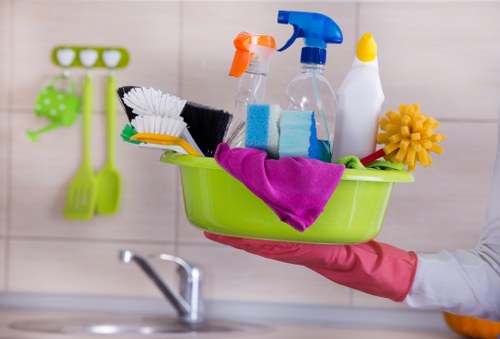
Useful DIY tools and materials
- White paper towels or microfibre cloths
- Enzymatic cleaner for pet stains
- Baking soda for odour absorption
- Spray bottle for diluted solutions
- Gloves to protect your hands
- Wet vacuum or extractive machine for deeper cleaning
What Not to Do During Pet Stain Odour Removal
Just as important as knowing what works is knowing what can make the problem worse. A common mistake is using too much water. While it may seem logical to flood the area and rinse away the stain, excess moisture can spread contamination further into the carpet or floor. This can lead to even more difficult pet stain odour removal later on.
Another mistake is mixing cleaning chemicals. Some homeowners combine vinegar, bleach, ammonia, and store-bought products in the hope of creating a stronger solution. This can be dangerous and may also damage the material being cleaned. Always read labels carefully and never mix products unless the manufacturer says it is safe to do so.
It is also unwise to rely only on scented sprays or candles. These products may temporarily cover the smell, but they do not remove the source. For true pet stain odour removal, the contaminated material must be cleaned and treated properly.
Common mistakes to avoid
- Rubbing stains aggressively instead of blotting
- Using steam too early on urine-based stains
- Applying excessive water to carpets or upholstery
- Masking odours instead of removing them
- Ignoring stains that appear small but smell strong
- Using unsuitable cleaning products on delicate fabrics
How Pet Odours Affect Indoor Air Quality
Persistent pet smells are more than a nuisance; they can also affect how comfortable and healthy a home feels. Lingering contaminants contribute to poor indoor air quality, especially in closed rooms with limited ventilation. When pet odours are left untreated, they can circulate through soft furnishings and HVAC systems, creating a stale environment.
Strong odours may trigger discomfort for visitors and household members alike. For people with allergies or sensitivities, pet-related contamination can also increase irritation. Effective pet stain odour removal therefore supports both cleanliness and overall indoor comfort.
Fresh air, proper ventilation, and deep cleaning all play a role in restoring a home’s atmosphere. When combined with targeted treatment, these steps can significantly improve the feel of your living space and help maintain a healthier environment for everyone.
Deep Cleaning Techniques for Stubborn Odours
When a pet stain has already set in, surface cleaning may not be enough. Deep cleaning methods are often necessary to reach the contamination trapped below the visible area. Steam cleaning can be useful in some situations, but it should be used carefully because heat can sometimes bond proteins to fibres if applied incorrectly.
Hot water extraction, when performed properly, is often more effective than ordinary vacuuming or shampooing. It flushes out dirt, urine residue, and odour-causing particles from carpet fibres and padding. For upholstery, specialised equipment can extract moisture without oversaturating the fabric. This type of pet stain odour removal is especially helpful for larger or older accidents.
For hard flooring, deep cleaning may involve lifting sections, treating seams, or using safe disinfectants that neutralise organic residue. In severe cases, subfloor treatment may be needed. The deeper the contamination, the more important it becomes to use a method that addresses all affected layers.
When to consider professional treatment
- The odour returns after repeated cleaning
- The stain has soaked into carpet padding or subfloor
- Multiple accidents have occurred in the same area
- The smell is strong, sour, or ammonia-like
- You are dealing with upholstery, mattresses, or delicate materials
If you have already tried several methods without success, professional pet stain odour removal may save time and prevent further damage. Specialists often have commercial-grade equipment, advanced products, and the experience needed to identify the source quickly.
Preventing Future Pet Stains and Odours
Once the current problem is under control, prevention becomes the next priority. A cleaner home is easier to maintain when you reduce the chances of repeat accidents. Routine pet care, consistent cleaning habits, and quick response to accidents all support long-term freshness.
Training and supervision are crucial, especially for young pets or animals adjusting to a new environment. Regular walks, scheduled litter box cleaning, and access to outdoor spaces can reduce the chance of indoor messes. Even with well-trained pets, accidents can still happen, so it is wise to keep cleaning supplies ready for immediate use.
Another smart step is to protect high-risk areas. Washable covers, rugs with removable pads, and stain-resistant treatments can all make pet stain odour removal easier in the future. The less time a stain has to settle, the easier it will be to clean effectively.
Prevention tips for pet owners
- Clean accidents immediately before they soak in
- Use washable covers on furniture
- Vacuum carpets regularly to remove pet hair and debris
- Maintain litter boxes and pet toilets consistently
- Use pet-safe deodorisers to keep spaces fresh
- Schedule periodic deep cleaning for carpets and upholstery
Pet Stain Odour Removal for Different Surfaces
Different surfaces require different cleaning strategies. What works on carpet may not work on wood, tile, or fabric. A tailored approach gives you the best chance of successful pet stain odour removal without causing damage.
Carpets and rugs
These surfaces absorb liquid quickly, so immediate blotting and enzyme treatment are essential. A carpet extractor or professional hot water extraction may be needed for deeper contamination. Always check if the rug is colourfast before applying any solution.
Upholstery and sofas
Furniture should be cleaned carefully to avoid soaking cushions or damaging fabric fibres. Test any cleaner on a hidden area first. Removable cushion covers may be washable, but the inner foam often holds odours and may require extra treatment.
Hard floors
Tile, laminate, vinyl, and sealed wood are easier to wipe clean, but seams and cracks can trap residue. Use a safe disinfectant and dry the area thoroughly. If odour persists, the source may be below the surface.
Mattresses
Mattress stains are particularly difficult because moisture penetrates deep into the foam. Enzyme cleaners, careful blotting, and thorough drying are important. In some cases, a mattress encasement can help protect against future accidents.
How Long Does Pet Odour Removal Take?
The answer depends on the severity of the stain, the material affected, and the method used. A fresh spot on a hard floor may be resolved in minutes, while a deep carpet stain could take several hours of treatment and drying. Older contamination may require repeated applications or professional intervention.
Drying time matters just as much as cleaning time. Even when the stain has been treated, trapped moisture can continue to create odour until the area is fully dry. Good airflow, fans, and dehumidifiers can speed up the process and improve the outcome of pet stain odour removal.
Patience is often the key. Rushing the process can leave behind residue and allow the smell to return. Taking the time to treat, dry, and recheck the area can lead to much better long-term results.
When Professional Help Makes the Most Sense
Some pet odour problems are too deeply embedded or widespread for DIY methods alone. Professional cleaning services can provide specialised treatment for carpets, upholstery, rugs, and other affected materials. They can also help identify hidden contamination that may not be obvious to the eye.
Professionals often use advanced extraction systems, deodorising agents, and inspection tools that locate odour beneath the surface. This can be especially helpful if the smell seems to spread through the whole room. In severe cases, professional pet stain odour removal can prevent the need for costly replacement of flooring or furniture.
If you want a clean result without trial and error, book your service now and let experts deal with the toughest stains. Contact us today if you need a fast, effective solution that restores freshness and confidence in your home.
Final Thoughts on Keeping Your Home Fresh
Pet accidents are a normal part of life for many households, but they do not have to leave a lasting mark on your home. With the right response, the right products, and the right techniques, pet stain odour removal can be highly effective. From fresh spills to older embedded odours, the key is to clean the source thoroughly and prevent the smell from returning.
Whether you choose DIY methods or professional help, the most important thing is to act quickly and use the right approach for the surface involved. Enzymatic cleaners, deep extraction, and proper drying all play an important role in successful pet stain odour removal. Combine those methods with good prevention habits, and your home can stay cleaner, fresher, and more inviting.
Book your service now if stubborn odours are taking over your space, or contact us today to take the first step toward a fresher home environment.