Stain Removal in Everyday Life: Practical Methods for Cleaner Fabrics, Surfaces, and Spaces
Stain removal is one of those everyday needs that can quickly turn from a small annoyance into a bigger problem if it is ignored. Whether you are dealing with a coffee spill on a shirt, grease on upholstery, ink on a desk, or mud on carpet, effective stain removal depends on knowing what caused the mark, how the material reacts, and which cleaning method will work best. The good news is that most stains can be treated successfully when you act fast and use the right approach.
For homes, offices, rental properties, hospitality settings, and commercial spaces, stain removal is not just about appearance. It also helps preserve fabric quality, protect surfaces, reduce odors, and extend the life of furniture and décor. With the right techniques, stain removal becomes less about panic and more about routine care.
In this article, you will learn how stain removal works across different materials, which methods are safe, and how to improve results with practical steps. You will also see why some stains respond better to cold water while others need enzyme cleaners, absorbent powders, or special pre-treatment. If you want cleaner, fresher results, stain removal is a skill worth mastering.
Why Stain Removal Matters
The hidden impact of stains
Stains are not only visual blemishes. Over time, they can settle deeper into fibers, discolor surfaces, and become harder to remove. A fresh spill on fabric might look minor, but if it dries, it may bond with the material and require more intensive stain removal. On porous surfaces like grout, upholstery, carpet, and unfinished wood, the longer a stain sits, the more it spreads and the more difficult it becomes to lift.
Professional cleaners and homeowners alike rely on stain removal because it helps maintain hygiene and appearance. Food stains can attract bacteria, oily residues can trap dust, and organic spills can leave unpleasant smells. Effective stain removal supports not only visual cleanliness but also a healthier environment.
Quick action matters. The earlier you begin stain removal, the higher the chance of full recovery. Even simple methods such as blotting, rinsing, or using a mild detergent can stop a stain from becoming permanent.
Common reasons stains become permanent
- Heat is applied too soon, which can set protein-based or tannin-based stains.
- The wrong cleaning product is used, causing discoloration or spreading.
- The stain is rubbed instead of blotted, pushing it deeper into fibers.
- The material is not tested before treatment, leading to damage or fading.
Understanding Different Types of Stains
Why stain removal depends on the stain source
Not all stains behave the same way. Successful stain removal starts with identifying the type of stain you are facing. A coffee spill, a grease mark, a wine splash, and a makeup stain each require different treatment methods because their chemical compositions differ. Knowing the stain type helps you choose the safest and most effective product.
Water-based stains are usually easier to treat than oily or dye-heavy stains. However, even water-based stains can become stubborn if they dry into natural fibers. For that reason, stain removal should always begin with a quick assessment of the stain source, the material affected, and how long the mark has been there.
Some stains are also combination stains, meaning they include more than one component. For example, tomato sauce may contain oil, pigment, and acid. These mixed stains often need step-by-step stain removal using more than one method.
Main categories of stains
- Protein stains: blood, sweat, dairy, egg, and other biological materials.
- Tannin stains: tea, coffee, wine, fruit juice, and plant-based dyes.
- Oil-based stains: cooking oil, makeup, lotions, grease, and butter.
- Dye stains: ink, colored drinks, paint, and transfer stains from fabrics.
- Organic stains: mud, grass, food residue, and outdoor dirt.
Why classification improves results
When you know the stain category, stain removal becomes more targeted. For example, enzyme cleaners work well on protein stains, while degreasers are more helpful for oil-based marks. This approach reduces wasted effort and protects delicate fabrics from unnecessary scrubbing.
Stain Removal Basics for Fabric and Upholstery
Start with the safest steps
Fabric stain removal begins with a simple principle: always treat the spill gently first. The safest immediate action is blotting excess liquid with a clean cloth or paper towel. Blotting removes surface material without forcing it deeper into the weave. Rubbing should be avoided because it can spread the stain and damage the fabric texture.
Before applying any solution, check the care label if available. Some materials tolerate water-based cleaners, while others require dry-clean-safe treatment. On upholstery, it is often wise to test a small hidden area before applying a product broadly. That small precaution can prevent fading, spotting, or fabric distortion.
For everyday stain removal, a mild cleaning solution often does the job. A mix of warm water and a small amount of gentle detergent can lift many common stains when applied properly. Always rinse or blot away residue after treatment so the fabric does not develop a sticky finish that attracts dust.
Useful tools for fabric stain removal
- Microfiber cloths
- White paper towels
- Soft-bristle brush
- Spray bottle
- Enzyme cleaner
- Mild detergent
- Baking soda
Important fabric care reminder
Never apply heat too early. Dryers, hot irons, and steam can make many stains harder to remove, especially protein and dye stains. If you are unsure, air-dry the fabric until stain removal is complete.
Stain Removal by Stain Type
How to treat the most common problem stains
Different stains require different strategies. The following methods are practical, widely used, and often effective when used at the right time. Keep in mind that stain removal can vary depending on fabric type, surface finish, and how long the stain has been present.
Coffee and tea stains
These tannin stains respond well to cool water and mild detergent. Blot the area first, then apply the cleaning solution from the outside inward to prevent spreading. If needed, repeat the treatment before laundering or rinsing. For older marks, oxygen-based stain removal products may help lift the discoloration.
Grease and oil stains
Oil-based stains usually need an absorbent or degreasing step. Sprinkle baking soda or cornstarch on the stain to absorb excess oil, wait several minutes, then brush away the powder. After that, apply a grease-fighting detergent. This stain removal method works especially well on clothing, table linens, and some upholstery fabrics.
Wine and juice stains
Because these are pigment-rich tannin stains, fast action is important. Blot immediately, then rinse with cool water. If the stain remains, a small amount of liquid detergent or an oxygen cleaner can improve stain removal. Avoid heat until the stain is gone.
Blood stains
Blood is a protein stain, so cold water is best. Hot water can set the stain. Rinse the area as soon as possible and use an enzyme-based product if necessary. Gentle stain removal is key here, especially on delicate fabrics.
Ink stains
Ink can be challenging because it is often dye-based and fast-drying. Place a clean cloth under the stained area if possible, then blot with rubbing alcohol or a suitable ink remover. Do not rub, because the ink may spread. Repeat carefully until the stain begins to lift.
Mud and soil stains
Let mud dry before removing it. Once dry, brush away loose particles, then treat the remaining mark with detergent and water. This two-step stain removal method prevents spreading and helps remove embedded dirt from fibers.
Stain Removal on Hard Surfaces
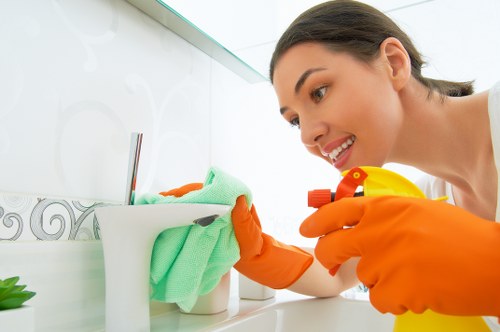
Cleaning countertops, tiles, wood, and more
Hard surfaces require a different approach to stain removal because they may be porous, sealed, or delicate in another way. Countertops, tile, laminate, metal, glass, and sealed wood all react differently to cleaning products. The goal is to remove the stain without dulling, scratching, or discoloring the surface.
For most hard surfaces, start with warm water and a gentle cleaner. Wipe the area using a soft cloth rather than abrasive pads. If the stain is stubborn, a paste made of baking soda and water can sometimes help lift marks from tile or sink surfaces. Always rinse thoroughly after stain removal to prevent residue buildup.
Porous materials like grout or natural stone may need special products. In those cases, the wrong cleaner can cause etching, fading, or moisture damage. That is why stain removal on hard surfaces should be done carefully and with attention to material compatibility.
Surface-specific tips
- Glass: use streak-free cleaner and microfiber cloths.
- Tile and grout: use a soft brush and targeted cleaner.
- Wood: use minimal moisture and avoid soaking.
- Laminate: avoid abrasive pads that can scratch the finish.
- Stone: use pH-safe products designed for sealed stone.
Best practice for long-lasting results
After stain removal, dry the area fully. Residual moisture can cause rings, streaking, or secondary staining, especially on wood and stone surfaces.
Professional Stain Removal vs. DIY Methods
When to handle it yourself and when to get help
Many stains can be treated successfully at home, but some situations call for professional stain removal. If the item is expensive, sentimental, delicate, or heavily soiled, expert treatment may save time and reduce risk. Professionals often have access to stronger yet safer formulas, specialized equipment, and experience with difficult materials.
DIY stain removal is usually suitable for fresh spills, everyday clothing marks, minor upholstery spots, and routine household stains. Professional service becomes more useful when a stain is old, has set deeply, or appears on a surface that is difficult to clean without damage.
Choose professional stain removal when: the stain is large, repeated attempts have failed, the fabric is labeled dry clean only, or the item is valuable and fragile. In these situations, a trained cleaner can assess the stain chemistry and select the most appropriate treatment.
Advantages of expert cleaning
- Better assessment of stain type and material sensitivity.
- Access to commercial-grade stain removal solutions.
- Reduced risk of shrinkage, fading, or surface damage.
- Improved outcome on old or deeply embedded stains.
- Time savings for busy households and businesses.
Prevention Tips That Make Stain Removal Easier
Small habits can reduce future cleaning stress
Preventing stains is not always possible, but a few habits can make stain removal much easier. Using protective covers, cleaning spills quickly, and keeping a stain treatment kit nearby can prevent minor accidents from becoming major problems. In homes with children or pets, a faster response often means better results.
It also helps to understand the materials in your space. Some fabrics and surfaces are more stain-resistant than others. Knowing which items require extra care helps you choose the right products before an accident happens. This proactive approach saves time and preserves appearance.
Stain removal works best when paired with prevention. A clean environment is easier to maintain when you reduce the chance of spills, transfer stains, and buildup from dirt or oils.
Simple prevention habits
- Use coasters under cups and glasses.
- Protect upholstery with washable covers.
- Wipe kitchen surfaces after each use.
- Treat fresh spills immediately.
- Keep laundry stain remover on hand.
- Avoid overloading washing machines so detergent can work properly.
Seasonal cleaning reminder
Seasonal deep cleaning gives you a chance to inspect furniture, carpets, curtains, and walls for hidden stains before they become permanent. Regular maintenance makes future stain removal faster and more effective.
Common Mistakes to Avoid During Stain Removal
What can make a stain worse
Even well-intentioned cleaning can backfire if the wrong method is used. One of the most common mistakes in stain removal is scrubbing too hard. Scrubbing may damage fibers, push particles deeper, or spread the stain over a larger area. Another frequent mistake is using too much product, which can leave residue or attract new dirt.
It is also risky to mix cleaning chemicals without knowing how they react. Some combinations can produce harmful fumes or damage surfaces. Safe stain removal depends on using one product at a time and following the label instructions carefully.
Patience matters, too. Many people give up too quickly or switch methods before the cleaner has had time to work. Stain removal often improves when the solution is allowed to sit briefly before blotting or rinsing.
Errors that reduce success
- Rubbing instead of blotting
- Using hot water on protein stains
- Skipping a spot test
- Drying the item too soon
- Using bleach on colored materials without checking compatibility
Building a Smarter Stain Removal Routine
A simple process that improves results
A practical stain removal routine does not need to be complicated. Start by identifying the stain, checking the material, and choosing the mildest effective cleaner. Then blot or treat the stain carefully, rinse or wipe away residue, and allow the item to dry naturally before deciding whether a second treatment is needed.
For households, this routine can be part of regular cleaning. For businesses, it can be integrated into maintenance schedules to keep carpets, seating, uniforms, and common areas in better condition. The more consistent the routine, the less likely stains are to become permanent problems.
Consistency also improves confidence. When you know how stain removal works, you do not need to guess every time a spill happens. Instead, you can respond with calm, effective action.
Simple stain removal process
- Identify the stain and the material.
- Blot or lift excess residue.
- Apply the right cleaner carefully.
- Let it sit if needed, following product instructions.
- Rinse, blot, or wipe clean.
- Repeat only if necessary.
- Dry fully and inspect the result.
Why routine matters for SEO-minded readers and real users
People often search for stain removal solutions when they need immediate help. Clear, repeatable steps make the process easy to follow and improve outcomes across many stain types. That is why stain removal remains one of the most useful household cleaning topics to understand.
Final Thoughts on Stain Removal
Cleaner results begin with the right response
Stain removal is most successful when you act quickly, identify the stain correctly, and match the cleaning method to the material. From clothes and carpets to countertops and upholstery, the best results come from careful treatment, not aggressive scrubbing. A little knowledge goes a long way in protecting the surfaces and fabrics you use every day.
Whether you are tackling a fresh spill or trying to rescue a stubborn mark, remember that stain removal is about method, timing, and patience. The right approach can restore appearance, prevent long-term damage, and make regular cleaning much easier.
If your stain is still giving you trouble, do not wait until it sets further. Take action now, use the safest method available, and book your service now if professional support is the best option. Contact us today to keep your fabrics and surfaces looking their best.